What are the best daily practices for body wellness?

Maintaining a healthy body is more important than ever in today’s fast-paced life. Many people in the United States struggle to balance work, school, and personal life while keeping their bodies strong and energized. Daily habits play a major role in preventing illness, boosting energy, and improving mental clarity. Simple routines can make a big difference over time, from moving your body to eating well. Focusing on body wellness does not require expensive equipment or gym memberships. Even small, consistent changes create lasting results. Mindful practices like stretching, hydration, and proper sleep support overall health. Understanding your body’s needs helps you make smarter choices every day. Being consistent with healthy habits can improve mood, stamina, and physical strength. This guide will show practical ways to naturally support your body wellness every day.
What are the best daily practices for body wellness?
Taking care of your body daily helps improve energy, flexibility, and immunity. Small habits like walking, stretching, and drinking water make a big difference. Practicing body wellness does not have to be complicated, and anyone can start at home. The following tips focus on natural ways to support overall health and fitness.
1. Daily Movement and Stretching
Moving your body daily keeps muscles strong and joints flexible. Even a 20-minute walk can increase circulation and improve mood. Stretching releases tension and prevents stiffness. Simple stretches like touching your toes or shoulder rolls help maintain flexibility.
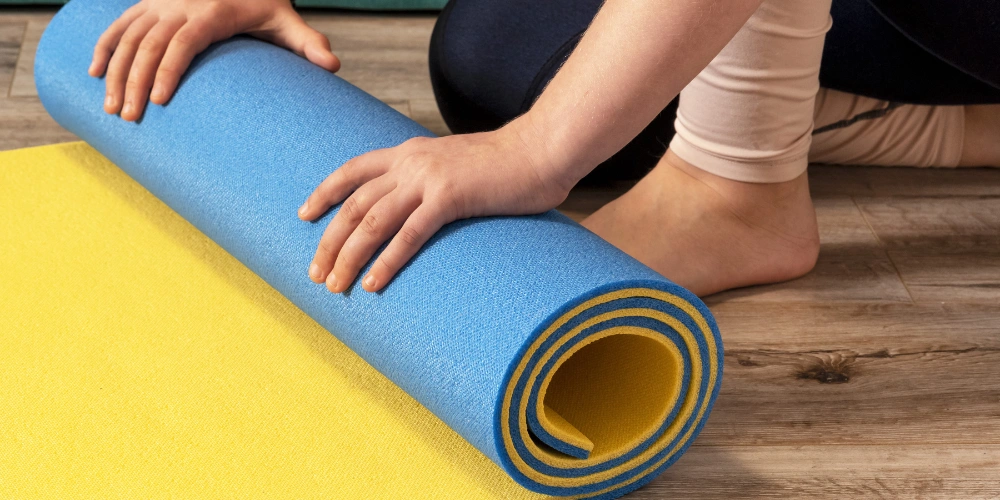
Incorporating movement into your routine can be fun and easy. Try taking short walking breaks during work or school. Dancing or light home exercises also count as daily movement. Stretching in the morning wakes up your muscles and prepares your body for the day. Focus on major muscle groups like legs, back, and shoulders. Stretching after sitting for long periods can prevent back and neck pain. Movement increases blood flow, delivering oxygen and nutrients to your body. Consistency is key; even short sessions every day are better than occasional long workouts. Use simple tools like resistance bands or yoga mats if available. Remember, the goal is to move daily, not to overexert. Movement also reduces stress by releasing endorphins. Try to make it enjoyable so it becomes a habit. Even house chores like sweeping, gardening, or lifting light objects count as movement. Set reminders if you forget to move during the day. Slowly increase activity time to challenge your body safely. Pair movement with deep breathing for extra relaxation. Finally, track your activity to stay motivated and aware of progress.
2. Proper Nutrition and Hydration
Eating balanced meals fuels the body and improves energy. Hydration is equally important for digestion, skin health, and focus. Simple steps like drinking water and choosing whole foods support wellness naturally.
Start by including fruits, vegetables, whole grains, and lean proteins in daily meals. Avoid heavily processed foods high in sugar or salt. Eating regularly keeps blood sugar stable, preventing fatigue. Water is essential; aim for 6–8 glasses per day, more if active. Include healthy fats from nuts, seeds, or avocado for energy and brain support. Limit caffeine and sugary drinks, as they can dehydrate and affect sleep. Portion control helps prevent overeating and supports a healthy weight. Plan meals ahead to avoid skipping important nutrients. Mindful eating—paying attention to hunger cues—promotes better digestion. Supplements may be added if recommended by a doctor. Drinking water before meals can reduce overeating. Preparing meals at home allows better control over ingredients. Include colorful vegetables for vitamins, minerals, and antioxidants. Protein intake supports muscle repair and strength. Avoid eating late at night to improve sleep quality. Add fiber-rich foods for digestive health. Stay consistent but flexible; occasional treats are fine. Keep a water bottle nearby as a visual reminder to hydrate. Track your eating habits to notice patterns and improvements.
3. Quality Sleep and Rest
Sleep is crucial for body recovery and mental clarity. Adults need around 7–9 hours nightly. Consistent sleep routines improve focus, energy, and immunity.
Create a sleep schedule by going to bed and waking up at the same time daily. Avoid screens at least one hour before sleep to improve rest. Make the bedroom comfortable, dark, and quiet. Limit caffeine and heavy meals late in the evening. Short naps during the day can help, but avoid long naps close to bedtime. Relaxation routines like reading or deep breathing signal the body to wind down. Avoid overstimulation in the evening; dim lights and calm activities help. If sleep problems persist, consult a healthcare provider. Exercise during the day improves sleep quality but avoid intense workouts close to bedtime. Track sleep patterns to notice improvements. Use calming scents like lavender for a soothing environment. Maintain proper room temperature; cooler rooms often support better sleep. Avoid checking the clock repeatedly; stress can disrupt sleep. Journaling before bed can help clear the mind. Meditation or stretching before sleep can reduce tension. Limit alcohol, which can interrupt sleep cycles. Ensure pillows and mattresses provide proper support. Remember, rest is as important as activity for body wellness. Regular quality sleep strengthens immunity, improves mood, and aids recovery.
4. Mindfulness and Stress Management
Managing stress keeps the body and mind healthy. Practices like meditation, deep breathing, or journaling support wellness naturally. Reducing stress improves heart health and focus.
Start with short meditation sessions, 5–10 minutes, to calm the mind. Practice deep breathing exercises to reduce tension. Journaling thoughts can help process emotions. Engage in hobbies or activities that bring joy. Take breaks from work or school to prevent burnout. Nature walks can improve mood and mental clarity. Limit exposure to negative news or social media when stressed. Yoga combines movement and mindfulness for body and mind benefits. Practice gratitude daily to improve mental wellbeing. Use relaxation techniques before bedtime to improve sleep. Listen to calming music or sounds to reduce stress. Social support from friends and family helps manage stress naturally. Avoid multitasking to reduce mental overload. Learn to say no when necessary to protect personal time. Recognize stress triggers and address them proactively. Physical activity also reduces stress hormones like cortisol. Use aromatherapy or warm baths for relaxation. Celebrate small achievements to boost confidence. Remember, managing stress contributes to overall body wellness. Mindfulness strengthens focus, reduces fatigue, and improves quality of life.
Frequently Asked Questions
Body wellness is about daily habits that support strength, energy, and flexibility. Here are common questions about staying healthy naturally.
Q1: How much daily movement do I really need?
Even 20–30 minutes of moderate activity, like walking or stretching, can improve circulation, mood, and flexibility. The key is consistency rather than intensity. Small movements throughout the day add up and support long-term health.
Q2: Can I improve wellness without going to a gym?
Yes, daily home routines like stretching, bodyweight exercises, and walking provide significant benefits. Balanced nutrition, hydration, and quality sleep also support health without specialized equipment. Focus on creating consistent habits at home.
Conclusion
Supporting body wellness naturally requires daily commitment but is achievable without complex routines. Simple practices like moving regularly, stretching, and eating balanced meals strengthen the body. Drinking enough water keeps the body hydrated and functioning efficiently. Quality sleep and proper rest allow recovery and improve energy. Mindfulness and stress management keep the mind clear and focused. Small consistent changes accumulate into long-term wellness. By observing your body’s needs and making gradual improvements, you can enjoy better strength, flexibility, and mental clarity. Start with one or two habits, then gradually expand for complete daily body wellness.