What are the natural ways to improve body flexibility daily?

Staying flexible is an important part of overall health. Flexibility helps your muscles and joints move freely without pain or stiffness. It improves posture, reduces the risk of injury, and makes daily activities easier. Many people in the United States spend long hours sitting, which can make muscles tight and less mobile. Natural ways to improve flexibility can be done at home or outdoors without expensive equipment. Consistent practice can help your body feel younger and more energetic. Flexibility is not only physical but also supports mental relaxation. Stretching and gentle movement can reduce stress and tension. Incorporating simple routines into your daily life can make a big difference. Small steps every day lead to long-term results in body mobility and overall wellness.
What are the natural ways to improve body flexibility daily?
Improving flexibility does not require complicated routines or expensive classes. By practicing simple movements and stretches consistently, your muscles and joints can become more mobile. Daily flexibility exercises support better posture, reduce pain, and enhance overall body performance. Here are effective ways to naturally increase your flexibility every day.
Stretching Exercises
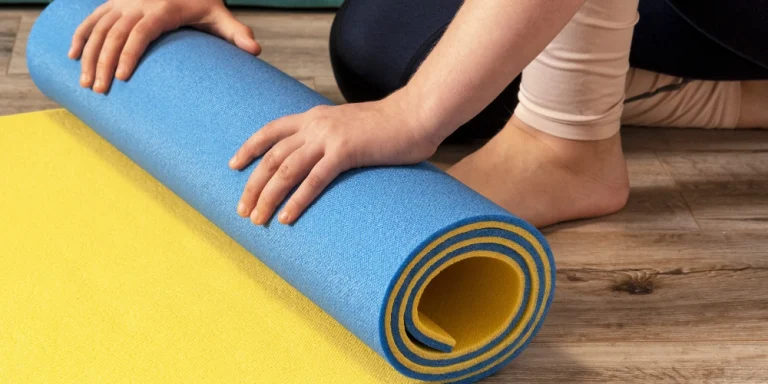
Stretching is the foundation of flexibility. Start with gentle stretches for the neck, shoulders, back, and legs. Hold each stretch for 20–30 seconds without bouncing. Focus on breathing deeply while stretching to relax your muscles. Over time, your body will feel less stiff and more responsive. Incorporate stretches into your morning routine to wake up your body. Stretching after light exercise helps muscles recover and maintain elasticity. You can use yoga poses or simple floor stretches to target major muscle groups. Stretching improves blood flow, which nourishes muscles and joints. It also reduces the risk of pulling or straining muscles during other activities. Regular stretching increases range of motion in joints gradually and safely. Aim for a daily stretching habit rather than intense sessions once in a while. Overstretching can cause injury, so listen to your body’s limits. Stretch both sides of the body equally to maintain balance. Include dynamic stretches before activity and static stretches after activity. Flexibility improves faster with patience and consistency. Stretching can be done at home, outdoors, or at work. Small breaks to stretch during the day improve overall body mobility. Stretching routines can be combined with light strength exercises. Using props like a mat or resistance bands can enhance effectiveness. Celebrate small improvements to stay motivated in your flexibility journey.
Yoga and Mind-Body Practices
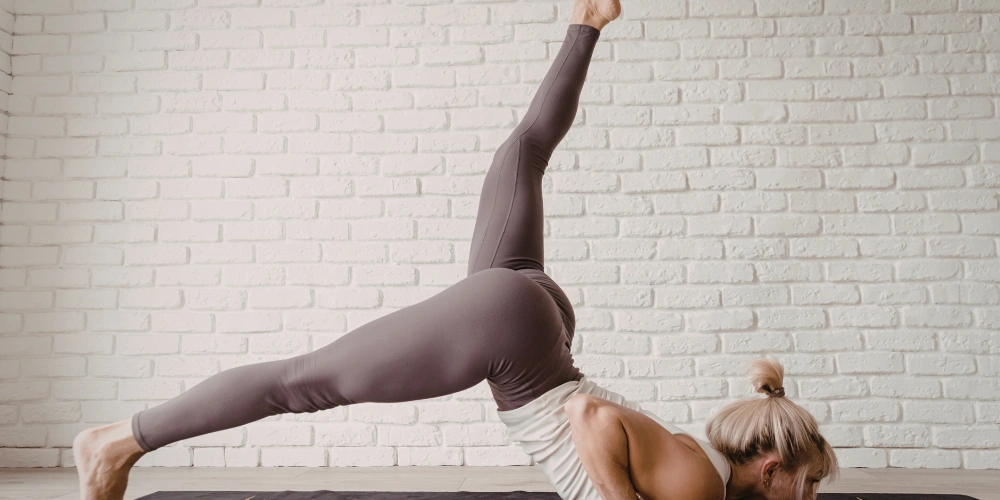
Yoga is a natural way to increase flexibility while reducing stress. Regular yoga practice stretches muscles gently and strengthens joints. Different poses target different areas, such as hamstrings, hips, and shoulders. Deep breathing in yoga helps relax tight muscles and improve circulation. Mind-body practices like Pilates or tai chi also enhance flexibility. These activities focus on controlled movements and posture alignment. Practicing yoga consistently can improve balance and coordination. Start with beginner-friendly routines and gradually increase duration. Yoga also helps release tension from long hours of sitting. A short 10–15 minute session daily can show noticeable improvements. Using guided videos or apps can help maintain proper form. Over time, flexibility gains reduce stiffness and make daily movements easier. Combining yoga with regular stretching maximizes mobility benefits. Practicing mindfulness during yoga encourages awareness of body limits. Avoid forcing positions that cause pain or discomfort. Consistency matters more than intensity in flexibility training. Yoga strengthens stabilizing muscles, which support joint health. Outdoor yoga can increase oxygen intake and mental clarity. Breathing deeply during poses improves lung capacity and energy levels. Yoga practice at any age supports overall physical and mental health.
Active Lifestyle Habits
Being active throughout the day naturally improves flexibility. Walking, swimming, and light cycling keep joints moving and muscles warm. Avoid long periods of sitting; take breaks to stretch or walk around. Household chores like cleaning or gardening involve varied movements that enhance mobility. Engaging in sports like tennis or basketball improves dynamic flexibility. Small movements such as reaching for objects or bending safely help maintain muscle elasticity. Using stairs instead of elevators encourages joint mobility. Active commuting like walking or cycling short distances supports body flexibility. Simple balance exercises can be done while brushing teeth or waiting in line. Proper posture during work or study prevents stiffness over time. Gentle twists or side bends can be done during breaks to relieve tension. Stretching while watching TV or listening to music is easy to incorporate. Keeping muscles warm with light activity reduces the risk of injury. Frequent movement encourages blood flow and joint lubrication. Consistent activity helps muscles adapt to a range of motion. Avoid high-impact exercises without warm-up to prevent strains. Walking barefoot on soft surfaces can improve foot and ankle flexibility. Active lifestyle habits combined with intentional stretches enhance long-term flexibility. Celebrate small daily movements as steps toward overall body wellness.
Frequently Asked Questions
Flexibility is a common concern for people of all ages. Here are some frequently asked questions and practical answers.
Q1: How often should I stretch to improve flexibility?
Stretching daily, even for 10–15 minutes, is more effective than occasional long sessions. Focus on gentle movements and hold stretches for 20–30 seconds. Consistency allows muscles and joints to gradually adapt.
Q2: Can older adults improve flexibility naturally?
Yes, flexibility can improve at any age. Older adults should focus on gentle stretches, yoga, and light movements. Consistency and patience are key, and avoiding sudden or forced movements prevents injury.
Conclusion
Improving flexibility naturally requires patience and daily practice. Stretching exercises, yoga, and active lifestyle habits work together to enhance mobility. Small, consistent efforts lead to better posture, reduced stiffness, and less pain. Deep breathing and mindful movement support both physical and mental health. Avoid forcing stretches to prevent injuries and focus on gradual improvement. Daily flexibility routines can be simple and performed at home or outdoors. Over time, your body will move more freely, making everyday activities easier. Committing to these habits ensures long-term wellness and overall body strength.