How can I stay active and energetic without heavy workouts?

Staying active and energized every day is a key part of living a healthy life in the United States. Many people think that heavy workouts or gym sessions are the only ways to stay fit, but that is not true. You can maintain energy and activity levels through simple daily habits. Small movements, stretching, and proper posture can make a big difference. Nutrition and hydration also play a critical role in keeping your body active. Balancing work, rest, and movement helps prevent fatigue and stress. Even busy schedules can include short bursts of activity. Mental energy is connected to physical activity, so staying active supports focus and mood. Walking, light exercises, and household chores all count toward staying fit. This guide explores practical ways to stay active without relying on heavy workouts.
How can I stay active and energetic without heavy workouts?
Many people want to remain healthy but do not enjoy intense exercise. There are easy and effective ways to stay active and energetic daily without lifting weights or running long distances. Small, consistent habits can build endurance, flexibility, and energy naturally. Here are some methods to incorporate into your routine.
1. Walking and Light Movement
Walking is one of the simplest ways to keep your body moving. Short walks around your home, neighborhood, or office help maintain circulation.
- Try walking for 10-15 minutes after meals to aid digestion and energy.
- Use stairs instead of elevators whenever possible.
- Take mini walking breaks during long work sessions.
- Walking with a friend can make it enjoyable and motivating.
- Even pacing while on calls or doing chores adds activity.
- Focus on posture while walking to improve core strength.
- Set small daily step goals to stay motivated.
- Listen to music or podcasts to make walking entertaining.
- Walking outdoors provides fresh air and sunlight, which boosts mood.
- Track your walking distance to see progress over time.
- Walking gently warms up muscles, reducing injury risk.
- Light stretching after walking enhances flexibility.
- Carrying light items while walking can gently strengthen muscles.
- Early morning walks can boost your energy for the day.
- Evening walks can help relax and reduce stress.
- Wear comfortable shoes to avoid strain or discomfort.
- Walking is low impact, making it safe for most age groups.
- Alternate walking pace to challenge your body slightly.
- Combine walking with breathing exercises for extra relaxation.
- Consistent walking contributes to long-term heart and joint health.
2. Stretching and Mobility Exercises
Stretching keeps muscles flexible and improves blood flow. Short stretching sessions can energize your body without heavy workouts.
- Morning stretches help wake up your body and mind.
- Focus on major muscle groups: legs, back, shoulders, and neck.
- Stretching while watching TV can make it part of your routine.
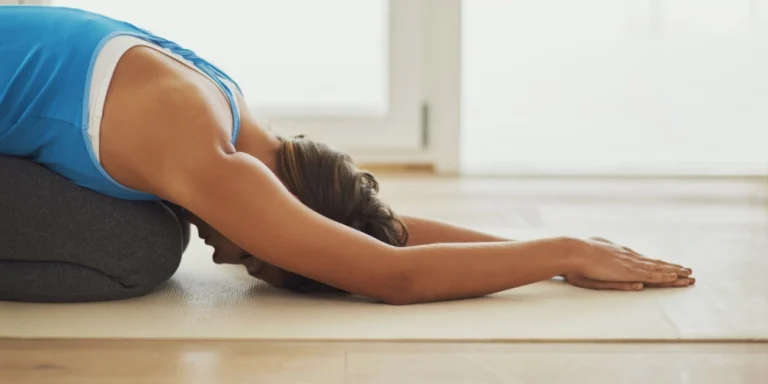
- Yoga poses like cat-cow or child’s pose improve flexibility.
- Hold each stretch for 15-30 seconds for better results.
- Stretch after light movement to avoid muscle tightness.
- Include dynamic stretches before activities to warm up muscles.
- Gentle stretching improves posture and reduces back pain.
- Stretching boosts circulation and oxygen flow to muscles.
- Use foam rollers to relax tight muscles and increase mobility.
- Stretching can reduce mental fatigue by promoting relaxation.
- Incorporate stretching into work breaks to prevent stiffness.
- Use resistance bands for light stretching to enhance muscle engagement.
- Stretching can improve balance and coordination over time.
- Listen to your body and avoid overstretching.
- Stretching before bed can promote better sleep.
- Combine stretching with deep breathing for a calming effect.
- Keep stretches consistent to see gradual improvement.
- Stretch in small spaces; no special equipment is needed.
- Stretching naturally reduces the risk of minor injuries.
3. Household Activities as Exercise
Daily chores can be a natural way to stay active. Cleaning, gardening, or cooking all engage different muscle groups.
- Vacuuming or sweeping requires movement and arm strength.
- Gardening involves bending, lifting, and walking, which builds stamina.
- Cooking often requires standing and small movements that burn calories.
- Folding laundry can include squats or gentle stretches.
- Mopping floors engages your core and leg muscles.
- Carrying groceries strengthens arms and legs.
- Organizing rooms requires bending, lifting, and walking.
- Washing windows or cars adds light activity and movement.
- Playing with children or pets increases energy and activity.
- DIY projects involve planning, moving, and using different muscles.
- Even standing while doing tasks adds to your daily activity.
- Turning chores into a game can make them fun and motivating.
- Music while cleaning boosts energy and rhythm.
- Track your time to see how chores contribute to activity goals.
- Cleaning routines can replace short exercise sessions.
- Alternating chores with stretching keeps muscles loose.
- Gardening improves mental health along with physical activity.
- Light lifting of household items enhances strength.
- Repeating small tasks consistently adds to overall fitness.
- Active home routines are a simple way to maintain health daily.
4. Short Home Workouts
You don’t need heavy weights to stay active. Short, bodyweight exercises can build energy and strength.
- Push-ups, squats, and lunges work multiple muscle groups.
- 10-15 minutes of exercises can boost heart rate.
- Use a chair for step-ups or seated leg exercises.
- Planks strengthen the core and improve posture.
- Jumping jacks or high knees increase circulation.
- Repeat small sets throughout the day instead of one long session.
- Stretch between exercises to avoid stiffness.
- Short workouts are easier to maintain consistently.
- Music can motivate and make exercises enjoyable.
- Use guided online routines for variety and proper form.
- Focus on slow, controlled movements for better results.
- Home workouts can be combined with chores or breaks.
- No special equipment is needed for most exercises.
- Modify exercises according to your fitness level.
- Set a timer for short intervals to stay consistent.
- Combine strength and cardio exercises for full-body benefits.
- Workouts at home save time and money.
- Short exercises release endorphins, boosting mood.
- Even 5 minutes of activity can improve energy levels.
- Daily short workouts lead to long-term fitness improvements.
Frequently Asked Questions
Staying active without heavy workouts raises many common questions. Here are two that people often ask.
Q1: Can I stay fit without going to the gym?
Yes, you can maintain fitness without the gym. Walking, stretching, light home exercises, and active household routines all contribute to strength, energy, and flexibility. Consistency and variety are the keys to long-term results.
Q2: How do I stay energetic throughout the day without intense exercise?
Focus on small movements, short walks, proper hydration, balanced nutrition, and breaks from sitting. Stretching and light activity between tasks help prevent fatigue and improve overall energy levels naturally.
Conclusion
Staying active and energetic does not require heavy workouts or expensive equipment. Small, consistent habits like walking, stretching, and light home exercises can make a big difference. Household chores and daily movements also contribute to energy and strength. Focus on posture, hydration, and balanced nutrition to support natural energy levels. Short bursts of activity throughout the day help maintain stamina and mental clarity. Prioritizing movement and flexibility protects against fatigue and discomfort. Combining light exercise with healthy routines creates a sustainable, energetic lifestyle. Anyone can stay active by integrating simple habits into everyday life.